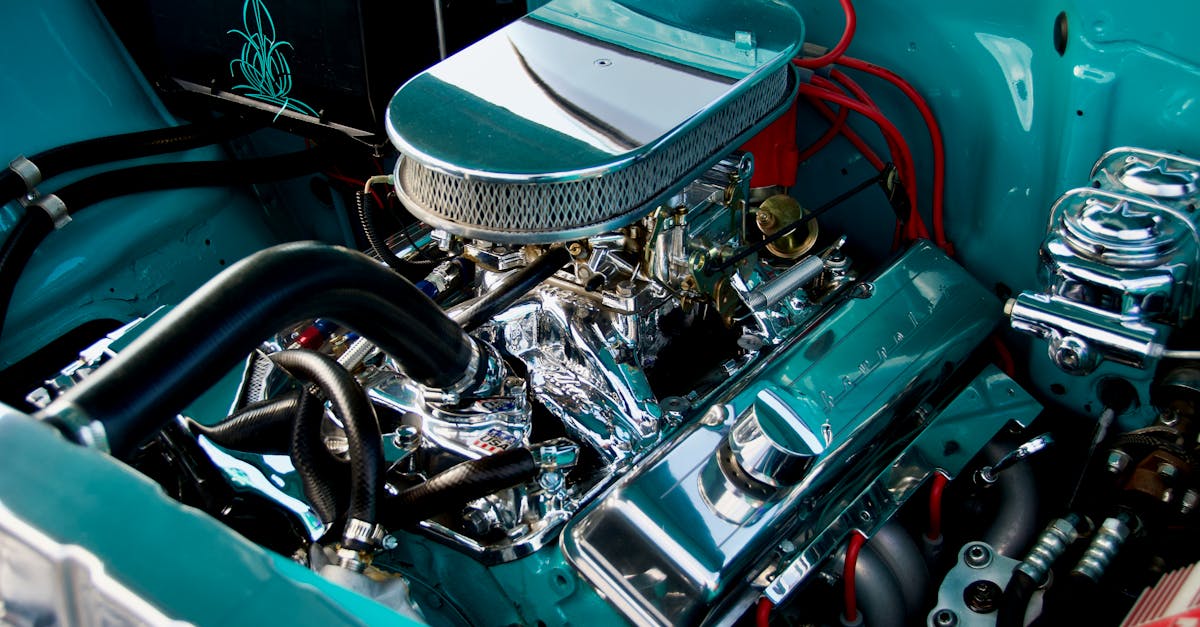
Most drivers never think about the water moving through their car beyond what comes out of the windshield washer nozzle, but inside the engine it plays a much bigger role. Coolant loops and water injection systems both rely on water free of minerals and corrosive ions, which is where automotive water filtration starts to matter for fuel economy, combustion, and the lifespan of radiators, injectors, and pistons.
This article looks at how these systems work, the contaminants they keep out, and the filtration technologies making the biggest difference in modern vehicles.
Key Takeaways
- Automotive water filtration enhances vehicle performance by removing contaminants that cause engine wear and inefficiency.
- Filtered water improves combustion and cooling efficiency, leading to better fuel economy and increased horsepower.
- Contaminants like minerals and fuel residues damage engines and increase maintenance costs, which water filtration helps prevent.
- Using purified water reduces corrosion and extends the life of critical components such as radiators, injectors, and pistons.
- Technologies like water softeners, deionized systems, and reverse osmosis provide effective filtration tailored for automotive needs.
- Regular maintenance of water filtration systems is essential to sustain performance and prevent costly vehicle repairs.
Understanding Automotive Water Filtration Systems
Automotive water filtration systems play a vital role in purifying the water involved with various vehicle functions including cooling, water injection for combustion, and surface washing. These systems remove minerals, particles, and organic residues that can degrade engine components or reduce efficiency. Typical setups integrate technologies such as water softeners, deionized (DI) water systems, and reverse osmosis (RO) units.
In modern vehicles, these filtration elements may be part of the cooling loop or introduced via aftermarket performance solutions aimed at delivering enhanced water quality for better thermal management. Pullner Filter, operating out of a large 10,000 square meter facility with over 20 production lines, designs industrial-grade membranes and high flow filter cartridges tailored for such precise filtration demands. Their expertise ensures the purified water maintains the integrity of sensitive automotive systems, particularly those involving micro membrane filtration for optimal particle and ion removal.
The Role of Water Filtration in Combustion and Cooling
Water filtration is essential for maintaining the effectiveness of vehicle cooling and combustion enhancement systems. In cooling, filtered water circulates through radiators and engine blocks, absorbing heat and preventing overheating. If impurities are present, deposits and scale build-up can impair heat exchange, leading to higher operating temperatures.
In engines equipped with water injection, a fine mist of purified water cools the intake air, lowers compression temperatures, and suppresses engine knock. This process allows for higher boost pressures and more efficient combustion, increasing power and torque. The ability to inject cleaner water, free from ions and particulates thanks to filtration systems like those developed by Pullner Filter, ensures that performance gains do not come at the expense of internal wear or corrosion.
Common Contaminants in Vehicle Water Systems and Their Impact
Vehicle water systems are susceptible to several contaminants that compromise function and longevity. Hard water minerals such as calcium and magnesium cause limescale deposits, clogging radiators and impeding coolant flow. Chloride and sulfate ions accelerate corrosion on metal engine parts, impacting durability.
Fuel residues and oils remaining from leaks or maintenance can mix with water, leading to sediment and residue build-up. This compromises pump seals and injector surfaces, eventually resulting in premature component failure. These contaminants not only reduce cooling and combustion efficiency but also increase maintenance costs. Employing advanced membrane filtration technologies from trusted manufacturers like Pullner Filter helps eliminate these impurities effectively, preserving system cleanliness and reliability.
Benefits of Clean Water on Engine Performance and Fuel Efficiency
Using clean, filtered water contributes to measurable improvements in engine performance and fuel economy. Purified water supports a denser air-fuel mixture during combustion by preventing deposits that disrupt air intake or fuel injection. This can yield a 10-15% increase in fuel efficiency.
Also, water injection with filtered water improves detonation resistance, allowing engines to run at higher compression ratios safely, which translates into increases in horsepower and torque. Clean water also reduces emissions of nitrogen oxides (NOx) and particulate matter by promoting more complete combustion. Finally, purified water used in washing prevents spot formation on vehicle surfaces, preserving aesthetics without the need for extra chemicals or energy.
How Water Filtration Protects Critical Components from Corrosion and Damage
Water filtration protects vital engine and cooling system components by removing abrasive minerals and corrosive ions. For example, replacing calcium and magnesium through softening treatments minimizes scale formation inside cooling passages, reducing friction and thermal resistance.
Deionized water further enhances protection by eliminating residual ions that cause metal pitting and corrosion on pistons, injectors, and bearings. By maintaining cleaner cooling fluids, filtration avoids unexpected breakdowns and costly repairs. Pullner Filter’s manufacturing expertise in membrane pleated filters and high flow filter cartridges ensures these systems deliver reliable protection, helping to extend the service life of automotive components significantly.
Types of Water Filtration Technologies Used in Vehicles
Several water filtration technologies are employed in the automotive sector to maintain water purity:
- Water Softeners: These systems exchange hardness-causing calcium and magnesium ions for sodium or potassium ions, reducing limescale.
- Deionized (DI) Systems: DI filtration removes all charged mineral ions, acids, and bases, resulting in highly purified water ideal for preventing spotting and corrosion.
- Reverse Osmosis (RO): RO membranes filter total dissolved solids (TDS), pollutants such as fuel residues, and oils. This supports efficient soap lathering and reduces energy consumption in washing.
Advanced filtration solutions may also use HEPA or electrostatic technology at air-water interfaces to reduce airborne particulate contamination. Pullner Filter designs and manufactures these high-performance filters using precisely engineered membranes in their Shanghai cleanrooms, ensuring robust and consistent filtration for automotive applications.
Maintenance Tips for Optimal Water Filtration and Vehicle Health
Regular maintenance of water filtration systems is key to sustained vehicle performance. It is recommended to replace filtration elements every 15,000 to 30,000 kilometers depending on usage and manufacturer guidance. Frequent testing of coolant and injection water quality helps detect contamination early.
Flushing the cooling system annually removes accumulated sludge and deposits. Filters should be inspected for clogging and replaced promptly to avoid pressure drops or bypass events. Complex filtration units such as DI and RO systems benefit from professional servicing to maintain membrane integrity and flow rates.
Following these practices helps in preventing performance degradation, reducing wear, and extending the vehicle’s operational life. Partners like Pullner Filter provide clear maintenance instructions alongside their filters, ensuring users can manage their automotive water filtration systems effectively.
About Pullner
Business: Pullner
Spokesperson: Lucy
Position: Sales Manager
Phone: 0086-21-57718597
Email: [email protected]
Location: LB19-Office No.1207, Jebel Ali Free Zone, Dubai, United Arab Emirates
Website: https://www.pullnerfilter.com/
Google Maps Link: https://maps.app.goo.gl/XgLZWHjGFcmdWddt6
Frequently Asked Questions About Automotive Water Filtration
What is the role of water filtration in improving vehicle performance?
Water filtration removes contaminants from water used in cooling and combustion systems, preventing deposits and corrosion. This maintains engine efficiency, supports higher boost pressures, and enhances fuel economy by improving combustion quality and reducing engine wear.
How do water filtration systems protect automotive components from damage?
Filtration systems eliminate hardness minerals, corrosive ions, and particulates that cause scale buildup and metal corrosion. This reduces friction and thermal resistance inside engine and cooling components, extending their life and preventing costly breakdowns.
What types of water filtration technologies are used in vehicles?
Common automotive water filtration technologies include water softeners (removing calcium and magnesium), deionized systems (eliminating charged ions and acids), and reverse osmosis units (filtering dissolved solids and pollutants). Advanced filters may also use HEPA or electrostatic methods.
Can automotive water filtration improve fuel efficiency?
Yes, using clean, filtered water supports a denser air-fuel mixture and reduces engine knock. This can increase fuel efficiency by 10-15%, while also boosting horsepower and torque through more efficient combustion.
Why is maintenance important for automotive water filtration systems?
Regular maintenance, such as replacing filters every 15,000 to 30,000 kilometers and flushing cooling systems, ensures filtration remains effective. Proper upkeep prevents clogging, contamination buildup, and maintains optimal vehicle performance and component longevity.
How does filtered water help in engine cooling and combustion?
Filtered water circulates through radiators and engine blocks to absorb heat efficiently without deposits that reduce cooling. In water injection systems, purified water cools intake air, lowers compression temperatures, suppresses knock, and enables higher power output.